
 EN
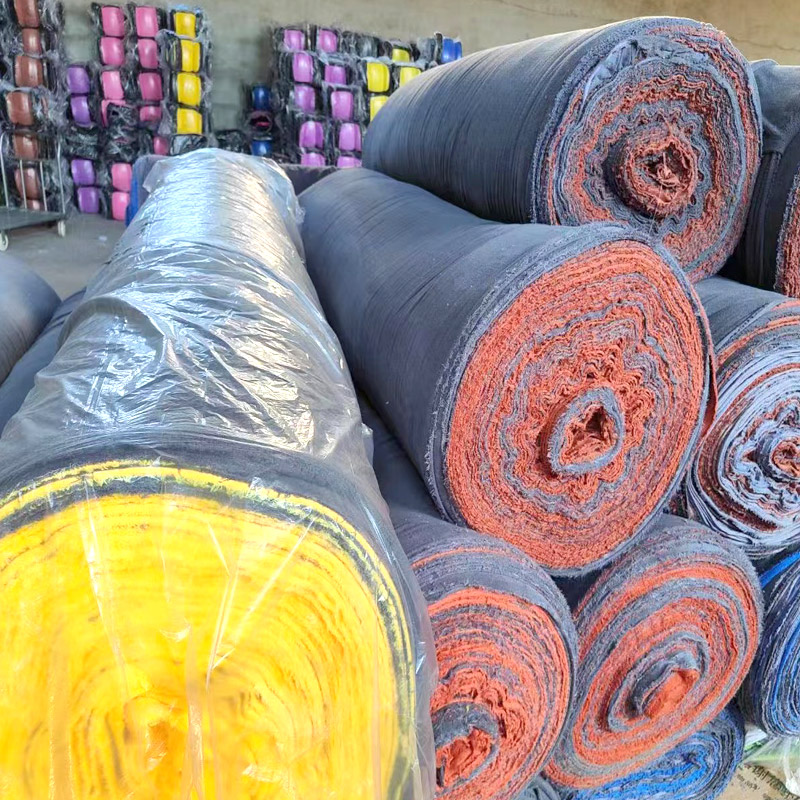
Microfiber fabric has surged in popularity, especially in the manufacturing and supply sectors, due to its unique properties and diverse applications. This article will explore why microfiber fabric is favored by B2B buyers, focusing on its advantages and practical considerations for sourcing and using these products. From understanding material specifications to evaluating suppliers, this guide aims to equip purchasing managers, distributors, and engineers with essential insights to make informed decisions.
Why Choose Microfiber Fabric for Your Wholesale Needs?
Microfiber fabric is an engineered textile made from ultra-fine synthetic fibers, typically polyester and polyamide. This microfiber material is particularly attractive for wholesalers due to its versatility, durability, and performance characteristics. For example, microfiber cleaning cloths are lightweight, highly absorbent, and capable of picking up dirt and dust without the need for harsh chemicals, making them perfect for both household and automotive applications.
Wholesalers benefit from offering microfiber products because they cater to a wide array of industries, including cleaning services, automotive detailing, and hospitality. With a daily production capacity exceeding 300,000 pieces, manufacturers like Ningbo Cozihome Houseware Co., Ltd. can accommodate both large-scale orders and custom low-volume requests, providing flexibility in meeting diverse customer needs.
Key Advantages of Microfiber Fabric for Importers and Distributors
The advantages of microfiber fabric extend beyond mere aesthetics. Here are some key benefits that make it an appealing choice for importers and distributors:
High Absorbency: Microfiber can absorb up to seven times its weight in liquid, making it highly effective for cleaning and drying applications.
Durability: Microfiber products are resistant to wear and tear, ensuring they maintain their effectiveness over time, which is crucial for repeat orders.
Eco-Friendly: Microfiber reduces the need for chemical cleaners, aligning with the growing demand for sustainable products.
Cost-Effectiveness: While the initial cost may be higher than traditional fabrics, the durability and reusability of microfiber lead to lower long-term costs, making it an attractive option for cost-conscious buyers.
Customization Options: Many manufacturers offer customization capabilities, allowing businesses to create unique products tailored to their brand and customer specifications.
Distributors can leverage these advantages to differentiate their offerings in a competitive marketplace and provide added value to their customers.
Understanding the Cost Factors of Microfiber Fabric Purchases
When considering a purchase of microfiber fabric, understanding the cost factors is essential. Prices can vary based on several parameters, including:
Material Quality: The composition and fineness of the microfiber can significantly impact cost. Higher-quality microfiber cloth fabric, which may offer greater durability and absorbency, typically commands a higher price.
Production Volume: Larger orders often benefit from economies of scale, reducing the per-unit cost. However, smaller orders may incur higher prices due to setup and production costs.
Customization Requirements: Custom designs, colors, and packaging can add to the cost. It's important to communicate specific needs upfront to obtain accurate quotes.
Shipping and Logistics: Depending on the destination and shipping methods, transportation costs can influence overall pricing. Importers should factor in these costs when budgeting for their purchases.
Supplier Reputation: Established suppliers with a track record of quality and reliability may charge more, but their products are often worth the investment due to lower risk and better service.
Buyers should request detailed quotes that itemize these factors, allowing for a clearer understanding of total costs involved in their microfiber fabric purchases.
Where to Source Reliable Microfiber Fabric Suppliers for Your Business?
Finding a trustworthy supplier is crucial for ensuring quality and consistency in microfiber products. Here are steps to identify reliable sources:
Research Manufacturer Experience: Look for suppliers with a proven track record in manufacturing microfiber textiles. Companies like Ningbo Cozihome Houseware Co., Ltd. leverage 17 years of experience and advanced manufacturing capabilities to deliver high-quality products.
Evaluate Production Capabilities: Ensure the supplier possesses the necessary equipment, such as knitting and ultrasonic cutting machines, which can affect product quality and production speed.
Review Certifications and Standards: Check if the supplier adheres to industry standards and certifications, which can assure quality and compliance with regulations.
Request Samples: Before placing a large order, request samples to evaluate the material's performance and suitability for your specific applications.
Consider Customer Service: A supplier’s responsiveness and willingness to engage in discussions about your needs can be indicative of their reliability and commitment to customer satisfaction.
By following these steps, businesses can forge partnerships with suppliers that meet their quality and operational requirements.
Installation Guidance for Microfiber Fabric Products in Various Applications
Proper installation and usage of microfiber fabric products can significantly influence their performance. Here are some considerations based on common applications:
Cleaning Applications: For cleaning cloths, ensure they are used dry or damp, depending on the task. Microfiber effectively traps dirt and grime, but excessive moisture can hinder performance. To maintain effectiveness, avoid fabric softeners during washing, as they can coat the fibers and reduce absorbency.
Automotive Detailing: When used for automotive care, microfiber should be used with light pressure to avoid scratching surfaces. For best results, pair microfiber cloths with appropriate cleaning solutions that are safe for automotive finishes.
Household Use: In household cleaning, microfiber can be used on various surfaces, but it’s advisable to test on a small area first, especially on delicate surfaces.
Maintenance: Regular washing and proper drying techniques such as air drying or using a low-heat setting will extend the life of microfiber products.
Providing clients with clear guidance on installation and usage will enhance their experience and satisfaction with microfiber products, leading to repeat business and referrals.
In summary, understanding the value of microfiber fabric, its advantages, cost factors, and sourcing strategies can empower B2B buyers in making informed purchasing decisions. By focusing on quality and supplier reliability, businesses can fully leverage the benefits of this versatile material.
Table of Contents
- Why Choose Microfiber Fabric for Your Wholesale Needs?
- Key Advantages of Microfiber Fabric for Importers and Distributors
- Understanding the Cost Factors of Microfiber Fabric Purchases
- Where to Source Reliable Microfiber Fabric Suppliers for Your Business?
- Installation Guidance for Microfiber Fabric Products in Various Applications