
 EN
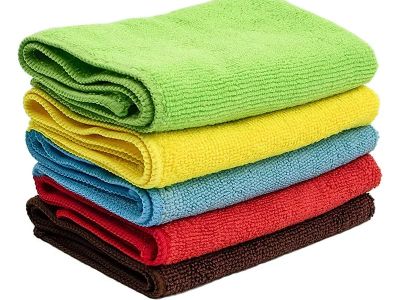
Understanding the differences between microfiber cloths and cotton towels is essential for B2B buyers in the automotive cleaning industry. The question of "Which has better car washing effect, microfiber cloth or cotton towel?" is not just about preference; it involves considerations of cleaning efficiency, durability, and application suitability. This article aims to provide insights into these two materials, helping purchasing managers, product managers, and engineers make informed decisions based on quality, performance, and cost-effectiveness.
Microfiber or Cotton?
Microfiber cloths and cotton towels differ significantly in their structure and effectiveness for car washing. Microfiber is composed of synthetic fibers, typically polyester and polyamide, which are finer than human hair. This unique composition allows microfiber to trap dirt, dust, and moisture more effectively than cotton. The increased surface area of microfiber enhances its cleaning capabilities, making it superior for automotive applications where fine particles and grime need to be removed without scratching surfaces. On the other hand, car drying towels are made from natural fibers and tend to absorb liquid well. However, they do not have the microfiber cloth same dirt-trapping capabilities as microfiber. In car washing scenarios, cotton towels may leave behind lint and residues, which can negatively impact the finish of a vehicle. For buyers, understanding these differences is crucial when selecting cleaning materials that ensure a high-quality clean without damaging surfaces.
Evaluating the Quality of Microfiber Cloths for Automotive Cleaning
When evaluating microfiber cloths, several factors should be considered to ensure quality and effectiveness. Key specifications include fiber density, GSM (grams per square meter), and the type of weave. Higher GSM typically indicates a thicker and more absorbent cloth, which is beneficial for automotive cleaning tasks. For example, microfiber cloths with a GSM of 300 or higher are often preferred in the microfiber cloth industry for their superior cleaning abilities. Additionally, the weave pattern plays a significant role in performance. A dual-sided cloth with one side for scrubbing and another for polishing can increase versatility, allowing for efficient cleaning of various surfaces. Buyers should also look for certifications that confirm the quality of the microfiber, such as ISO standards, which can provide assurance regarding the product's durability and effectiveness over time.
Microfiber Cloth vs. Cotton Towel Durability
Durability is a critical consideration in any cleaning product, especially in commercial settings where frequent use is expected. Microfiber cloths generally outperform cotton towels in this regard. While cotton can wear out and lose its effectiveness after numerous washes, high-quality microfiber can withstand hundreds of wash cycles without significant loss of performance. Moreover, microfiber is less prone to fraying and linting, making it a more reliable option for automotive applications. For buyers, ensuring that the chosen microfiber cloths are designed for microfiber cloth longevity can reduce replacement costs and enhance operational efficiency. When assessing durability, it’s essential to inquire about the manufacturer's quality control processes and any testing that validates the cloth's longevity.
Applications of Microfiber Cloths in Automotive Washing Scenarios
Microfiber cloths are incredibly versatile and can be used in various automotive washing scenarios. Their ability to absorb moisture and trap dirt makes them suitable for tasks such as drying, polishing, interior cleaning, and even applying wax or sealants. For example, when washing a car, using a microfiber cloth for drying can prevent water spots and streaks, which are common issues when using auto microfiber towels. In commercial settings, microfiber cloths can be employed in automated washing systems, hand washes, and detailing services. Their lightweight nature and flexibility allow them to microfiber cloth reach tight spaces and contours of vehicles, providing a thorough clean. B2B buyers should consider the specific applications they need microfiber cloths for, as this will influence the types and quantities they should purchase.
Common Problems with Cotton Towels and Solutions Using Microfiber
Cotton towels, while widely used, come with a set of common problems that can hinder their effectiveness in automotive cleaning. One significant issue is linting, which occurs when small fibers break off and adhere to surfaces, leaving behind residue. This can be particularly problematic when cleaning windows or polished surfaces.
Another issue is the potential for scratching, especially on delicate finishes. Cotton towels do not possess the same soft texture as microfiber, which can lead to unintentional damage during cleaning. Furthermore, cotton's absorbency is limited compared to microfiber, which may require more effort and time when drying cars.
To address these problems, incorporating microfiber cloths into the cleaning process provides several benefits. Their lint-free nature eliminates residue concerns, while the soft fibers reduce the risk of scratching. Additionally, the microfiber cloth superior absorbency of microfiber allows for quicker drying times, enhancing operational efficiency. For B2B buyers, understanding these common issues and the advantages of microfiber can guide better purchasing decisions that improve cleaning outcomes. In summary, when evaluating options for automotive cleaning, the choice between microfiber cloths and towel car wash becomes clear. Microfiber offers superior cleaning effects, durability, and versatility that align with the needs of professional buyers in the automotive sector. By prioritizing quality microfiber products, companies can ensure effective cleaning while minimizing the risk of damage to vehicle surfaces.