
 EN
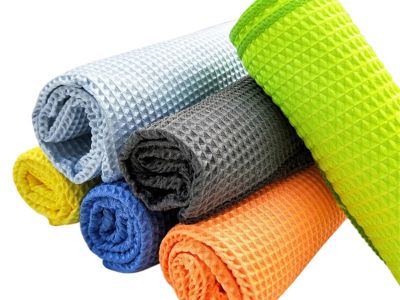
Microfiber mop cloths are essential tools for maintaining cleanliness in various environments, from households to industrial facilities. Extending the life of these cloths can significantly reduce costs and improve operational efficiency. This article offers pro tips for extending the life of microfiber mop cloth while addressing key concerns for purchasing managers, distributors, and other B2B buyers. Understanding how to choose, evaluate, and maintain these cleaning products will empower you to make informed purchasing decisions.
Proven Tips for Choosing Quality Microfiber Mop Cloths Wholesale
When sourcing microfiber mop cloths for wholesale, prioritize quality to ensure durability and cost-effectiveness of microfiber mop cloths. Look for quality microfiber mop cloths made from 100% polyester or a polyester-polyamide blend, as these materials offer superior absorbency and durability. Verify the GSM (grams per square meter) – a higher GSM generally indicates a thicker, more absorbent cloth, which can handle tougher cleaning tasks.
Additionally, consider the construction method. Cloths that are knitted rather than woven typically provide better performance in terms of cleaning efficiency. For wholesale orders, ensure that the supplier can provide certifications or quality assurance documentation to confirm that the products meet industry standards. This will not only help avoid common pitfalls but also assure you of consistent performance across your cleaning operations.
How to Evaluate the Cost-Effectiveness of Microfiber Mop Cloths?
Evaluating the cost-effectiveness of microfiber mop cloths requires a look beyond the initial purchase price. Factors such as lifespan, cleaning efficiency, and the reduced need for chemical cleaners should be taken into account. A higher upfront cost might be justifiable if the microfiber mopping cloth last significantly longer or require less frequent replacement.
Calculate the total cost of ownership by considering how many cloths you’ll need over a year, factoring in replacement costs and cleaning efficiency. For example, if a higher-quality cloth can effectively clean without the need for additional chemicals, it may lead to substantial savings in both cleaning supplies and labor over time.
Key Specifications to Consider When Sourcing Microfiber Cloths
When sourcing microfiber mop cloths, several key specifications should be evaluated to ensure they meet your operational requirements:
Material Composition: Check the blend of polyester and polyamide, as this affects absorbency and durability.
GSM (Grams per Square Meter): A higher GSM indicates a thicker cloth that can absorb more liquid and withstand more washes.
Size and Shape: Ensure the cloth size is compatible with your existing mop systems to avoid inefficiencies.
Seam Construction: Look for reinforced seams to prevent fraying and extend the cloth's lifespan.
Cleaning Capability: Verify if the cloth is designed for specific surfaces (glass, wood, tile) to enhance cleaning effectiveness.
By carefully reviewing these specifications, you can select products that not only meet your cleaning needs but also provide long-term value.
Best Practices for Extending the Lifespan of Mop Cloths
To extend the lifespan of microfiber mop cloths, follow the best practices for extending lifespan:
Proper Washing: Always wash microfiber cloths in cold water without fabric softeners, as softeners can clog the fibers and reduce absorbency. Use a mild detergent, and avoid bleach, which can degrade the material.
Avoid High Heat: When drying, choose a low-heat setting or air dry the cloths. High temperatures can damage the fibers and lead to premature wear.
Limit Use of Chemicals: Microfiber cloths are designed to clean effectively with just water. Using harsh chemicals can compromise their performance and lifespan.
Regular Inspection: Periodically check the cloths for wear and tear. Replace any that show signs of fraying or diminished cleaning ability to maintain a high standard of cleanliness.
By implementing these practices, you can maximize the utility of your quality microfiber mop cloths, ensuring they perform optimally for as long as possible.
Solutions for Common Problems with Microfiber Mop Cloths
B2B buyers may encounter several common issues with microfiber mop cloths, but these can often be resolved with a few practical solutions:
Reduced Absorbency: If cloths lose their ability to absorb, it may be due to improper washing or residue buildup. Rinsing them thoroughly or using a specialized microfiber cleaner can help restore their effectiveness.
Fraying Edges: This often occurs due to poor seam construction. When sourcing cloths, prioritize those with reinforced seams. If fraying begins, consider using fabric glue to prevent further damage.
Odor Development: Microfiber cloths can develop odors if not dried properly. Ensure they are completely dry before storage, and consider using a vinegar rinse in the wash cycle to neutralize odors.
Incompatibility with Surfaces: Some cloths may not be suitable for specific surfaces, leading to scratches or inadequate cleaning. Always assess the cloth's specifications and match them to the intended use.
By understanding these common challenges and their solutions, buyers can proactively manage their cleaning inventory for optimal performance and longevity.
Making informed decisions about microfiber mop cloths can lead to significant cost savings and improved cleaning efficiency. By choosing quality products, evaluating cost-effectiveness, understanding key specifications, practicing proper maintenance, and solving common problems, you can maximize the lifespan and performance of your cleaning cloth.
Table of Contents
- Proven Tips for Choosing Quality Microfiber Mop Cloths Wholesale
- How to Evaluate the Cost-Effectiveness of Microfiber Mop Cloths?
- Key Specifications to Consider When Sourcing Microfiber Cloths
- Best Practices for Extending the Lifespan of Mop Cloths
- Solutions for Common Problems with Microfiber Mop Cloths