Choosing the Right Microfiber Mopping Cloth

All Categories

microfiber mopping cloth

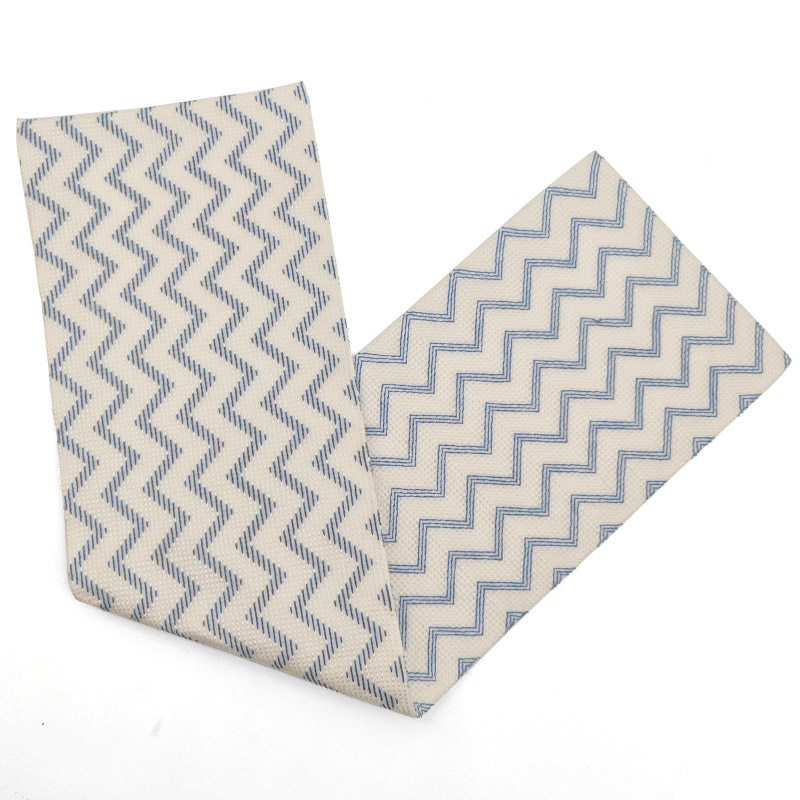
Microfiber mopping cloths are essential tools for efficient  cleaning in both industrial and  commercial  environments.  These  versatile products are  made  from synthetic fibers  that are highly effective  at trapping dirt, dust, and moisture,  making them  ideal for a variety of applications. As a purchasing manager or distributor, understanding the key features, sourcing options, and potential challenges associated  with microfiber mopping cloths  will help you make  informed decisions for your  business. This  article will provide valuable  insights into selecting the right microfiber mopping cloth, sourcing  reliable suppliers, exploring  applications, troubleshooting common issues, and evaluating cost  factors.
Where to Source Reliable Microfiber Mopping Cloth Suppliers

Where to Source Reliable Microfiber Mopping Cloth Suppliers

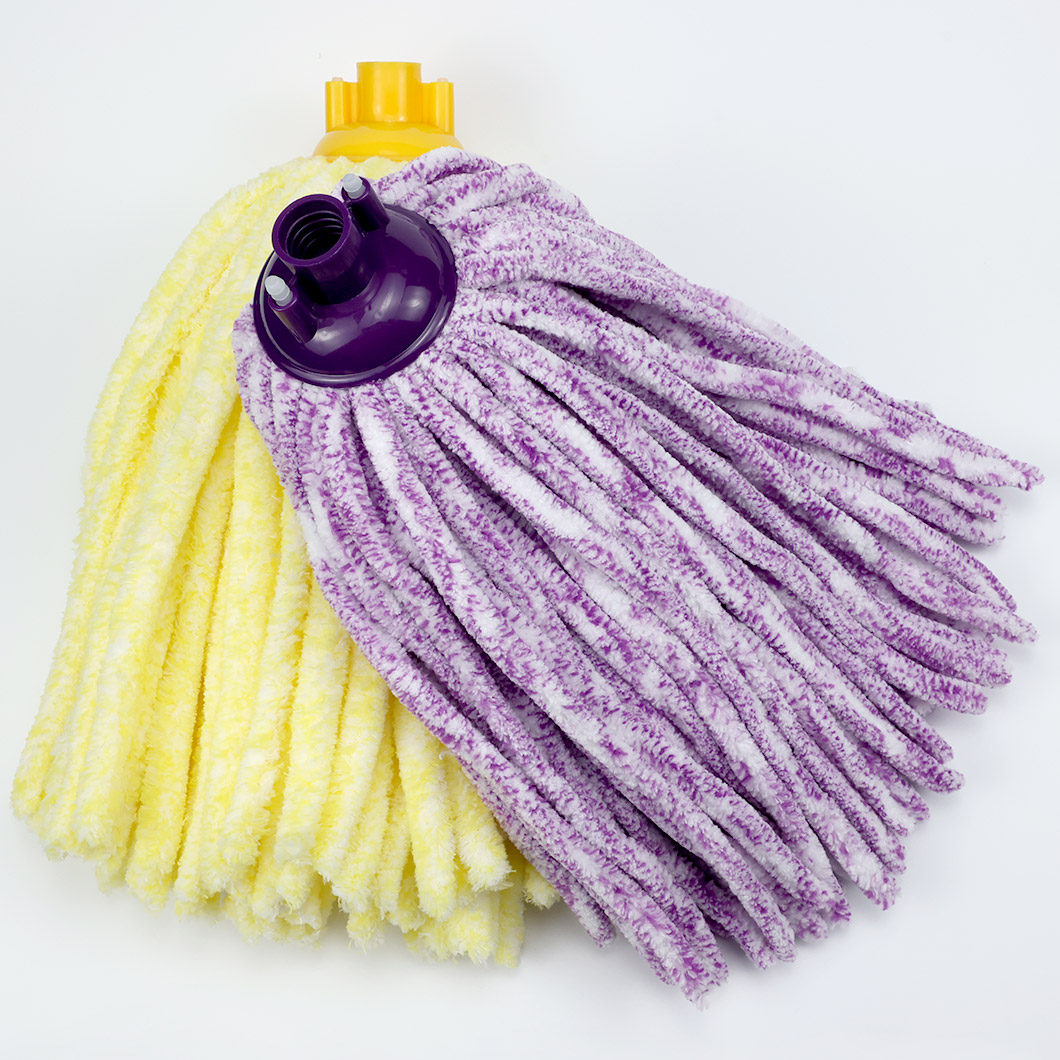
Finding a trustworthy supplier for microfiber mopping cloths involves more than just  comparing prices. Consider the following steps:

Research Manufacturers: Investigate manufacturers with a strong reputation in microfiber textile production. Look for companies with extensive experience, such as Ningbo Cozihome  Houseware Co.,  Ltd.,  which has 17 years of expertise in producing high-quality microfiber products.

Evaluate Production Capacity: Ensure that potential suppliers can meet your order volume. Manufacturers with high production capacity, such as those producing over 300,000 pieces daily, are often better equipped to  handle large orders and ensure  timely  delivery.

Check  Customization Options: Many businesses have unique requirements. Suppliers that offer customization capabilities  can tailor products to meet specific  needs, such as custom sizes, colors, or packaging methods.

Review Quality Control Processes: A reliable supplier should have stringent quality  control measures in place. Inquire about their testing protocols and certifications to ensure their products  meet industry standards.

Seek References and Reviews:  Reach out  to other businesses or industry contacts who have used the suppliers you're considering. Their experiences  can provide insight into product quality and  service  reliability.

By  carefully vetting suppliers,  you can establish partnerships that  enhance your procurement strategy and ensure you receive quality products.
Applications of Microfiber Mopping Cloth in Industrial Settings

Applications of Microfiber Mopping Cloth in Industrial Settings

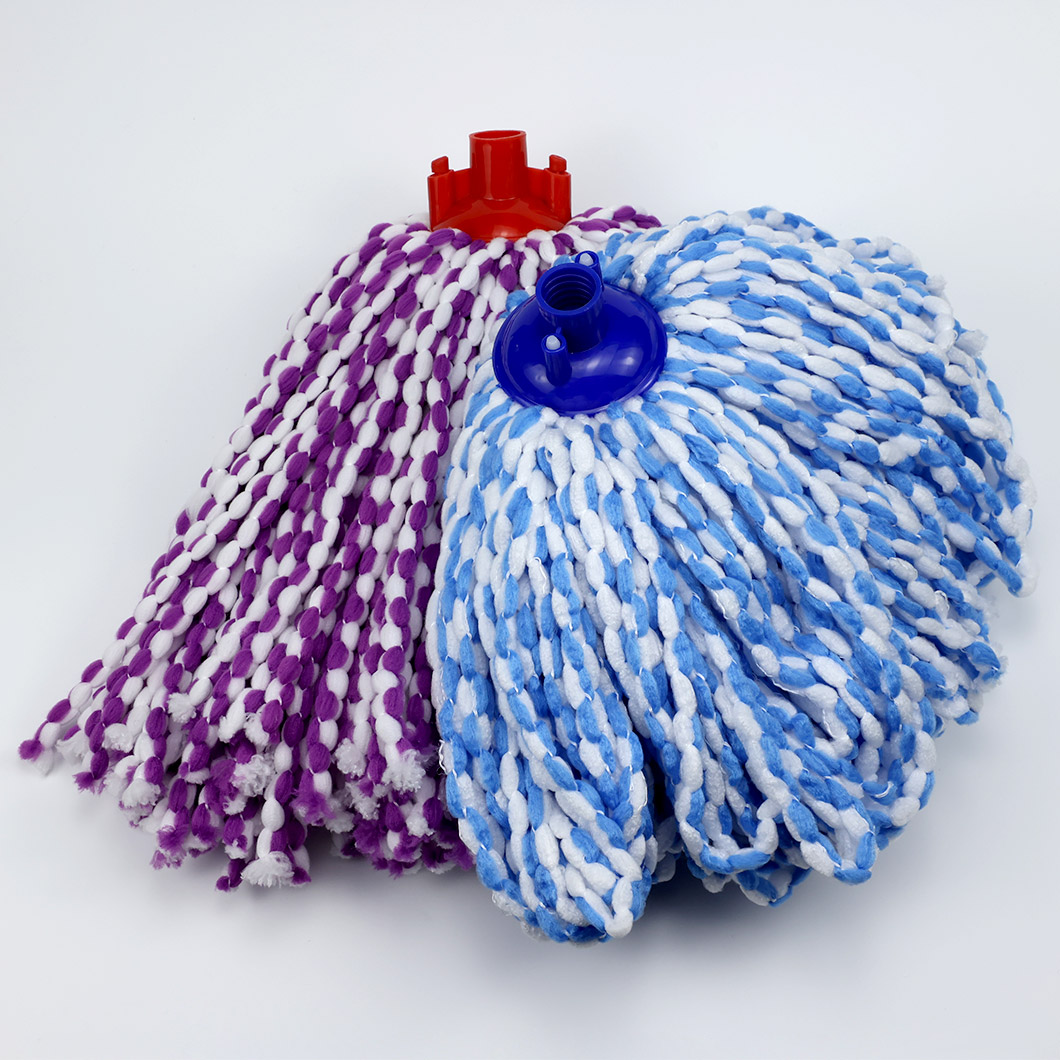
Microfiber mopping cloths are highly versatile and find applications in various industrial settings, including:


Manufacturing Facilities:  These cloths  are  effective for cleaning machinery and production lines, helping to maintain a  safe and organized workspace.

Automotive Industry:  In automotive settings,  microfiber cloths excel at cleaning surfaces without scratching, making them ideal for detailing and  maintenance tasks.

Food Processing: The absorbent and non-abrasive  nature of microfiber makes it suitable for cleaning  food prep areas, ensuring hygiene without leaving residue.

Healthcare: Hospitals  and clinics use  microfiber  mopping cloths to  maintain sterile environments, as they can trap bacteria and dirt effectively.

Commercial  Spaces:  From offices to retail environments, microfiber  cloths provide  a quick and efficient  cleaning solution that minimizes downtime.


Understanding these applications allows buyers to select the appropriate microfiber cloths tailored to specific industry needs, enhancing cleaning efficacy and operational efficiency.

Common Problems with Microfiber Mopping Cloth and Their Solutions

Common Problems with Microfiber Mopping Cloth and Their Solutions

While microfiber mopping  cloths are generally effective, they can present challenges that buyers should be aware of:


Linting: Some microfiber cloths  may shed lint, especially if they are of lower  quality. To combat this, opt for higher-quality products with reinforced edges. Regular  washing also helps reduce  lint production.

Odor Retention: Microfiber  can develop odors if not properly laundered.  Ensure that cloths are  washed frequently and dried thoroughly to prevent moisture retention, which  can lead to mildew.

Compatibility Issues: Not all microfiber cloths are suitable  for every surface. Using the wrong type  can lead to scratches or damage. Always verify that  the cloth is appropriate for the  specific surfaces you intend to clean.

Reduced Effectiveness  Over Time: Microfiber cloths can lose their cleaning ability if they are not maintained properly. Following the manufacturer's washing instructions and avoiding fabric softeners can prolong their lifespan  and effectiveness.

By anticipating these  issues and  implementing preventative  measures, buyers can enhance the longevity and performance of  their microfiber mopping cloths.

Cost Factors to Consider When Purchasing Microfiber Mopping Cloth

Understanding  the  cost dynamics  of microfiber mopping  cloths is essential for making budget-conscious decisions. Key factors influencing pricing include:

Material Quality: Higher-grade  microfiber cloths may come at a premium but often provide better performance and durability. Investing in quality materials  can lead  to long-term  cost savings through reduced replacement  frequency.

Customization Requirements: Custom sizes or features will  likely increase the price. Assess whether customization is necessary for your operations or if standard options will suffice.

Order  Volume: Many manufacturers offer bulk discounts. Consider your  purchasing strategy and explore options for consolidating orders to take advantage of lower unit prices.

Shipping and Handling: Factor  in shipping costs, which can vary significantly based on order size  and destination. Working with suppliers that have established logistics can help mitigate these costs.

Supplier Reliability: While it  can be tempting to choose the lowest-priced option, consider the supplier's reliability and quality of service. A slightly higher price may be justifiable  if it ensures consistent quality and timely delivery.

By carefully evaluating these cost factors, buyers can make informed purchasing decisions that align with their financial and operational goals.

In summary, thorough knowledge of microfiber mopping cloths—from selection criteria to  supplier evaluation—empowers B2B buyers to optimize  their cleaning  processes  and enhance operational efficiency.

Choosing the Right Microfiber Mopping Cloth for Your Business Needs

When selecting microfiber mopping cloths, buyers should  consider several  specifications that directly influence performance and suitability for specific tasks. Key factors  include:

Material Composition: Microfiber cloths are  typically  made from a blend of polyester and polyamide. The ratio of these  materials can impact absorbency, durability, and cleaning efficiency. For instance, a higher percentage of polyamide generally enhances absorbency and grease  attraction, making it suitable for automotive or heavy-duty cleaning. Products like Multi-Purpose Lint Free Tear Away Microfiber Cleaning Cloth are examples of such high-quality materials.

Thickness and Weight: The thickness of  the cloth affects its durability and  absorbent capacity. Heavier  cloths may provide better longevity and  performance in industrial settings, while lighter options may suffice for routine household cleaning.

Size and Shape: Different mopping systems require varying cloth dimensions. Ensure  the cloths you choose are compatible with your mopping equipment. Standard sizes are often available, but customization may be necessary for specialized applications  or equipment, such as Custom Logo Microfiber Kitchen Dish Cleaning Cloths.

Seam Construction: The method used to sew the edges of  the cloth affects  its lifespan. Ultrasonic cutting, as employed by manufacturers like Ningbo Cozihome Houseware Co.,  Ltd., can reduce fraying  and enhance durability.

By  thoroughly  evaluating these specifications, you can select microfiber mopping cloths that align with your operational requirements and cleaning objectives.

Our Blog Posts

What are the Advantages of Microfiber Car Wash Cloths Compared to Ordinary Sponges? What is the Cleaning Principle of Microfiber?

03

Nov

What are the Advantages of Microfiber Car Wash Cloths Compared to Ordinary Sponges? What is the Cleaning Principle of Microfiber?

In recent years, microfiber car wash cloths have become a popular alternative to ordinary sponges. Microfiber cloths are made from synthetic fibers that are far finer than human hair, allowing them to catch dust, dirt, and grime more efficiently. The...
View More
Will microfiber car wash towels become stiff after washing? Sharing the correct washing and drying methods.

03

Nov

Will microfiber car wash towels become stiff after washing? Sharing the correct washing and drying methods.

Cozihome microfiber car wash towels are famous for their softness and effectiveness in cleaning a car. However, many people wonder if they will become hard after washing. The good news is, that with proper washing and drying techniques, you will enjo...
View More
How to clean coral fleece towels to improve their durability and cleanliness?

09

Mar

How to clean coral fleece towels to improve their durability and cleanliness?

Maintaining the cleanliness and longevity of your coral fleece towels is extremely crucial. Coral fleece towels give you soft and cozy feeling. It’s great for drying off after a bath or for use at the beach. How do I keep my Cozihome coral fleece tow...
View More
Compared To Traditional Cleaning Towels, Can It Be True That Microfibers Can Reduce The Cleaning Workload By 20%?

02

Jul

Compared To Traditional Cleaning Towels, Can It Be True That Microfibers Can Reduce The Cleaning Workload By 20%?

Cleaning can be a tough job, especially if you are using the wrong tools. Traditional cleaning towels can sometimes make the work feel even harder. But what if there’s a better option? Microfiber towels, like those from Cozihome, are becoming popular...
View More

Get a Free Quote

Our representative will contact you soon.
Email
Mobile/WhatsApp
Name
Company Name
Message
0/1000

Get a Free Quote

Our representative will contact you soon.
Email
Mobile/WhatsApp
Name
Company Name
Message
0/1000